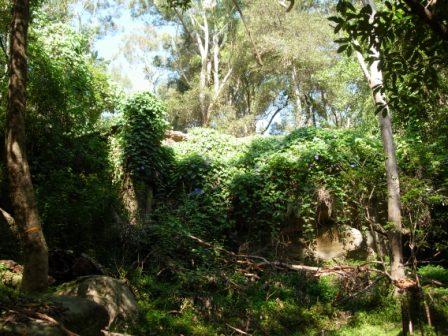
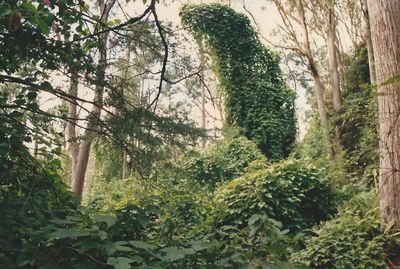
In 1985 an ecological assessment by Robin Buchanan identified that the roosting habitat of the flying-foxes was threatened by the death of canopy trees, and by weeds such as lantana, privet, morning glory and tradescantia preventing the germination and survival of new canopy trees. Without intervention, there would not be suitable habitat for the flying-foxes within 15 to 30 years.
Aims of the project
- Restore roosting habitat for the flying-foxes so they can continue to use this reserve
- Regenerate native vegetation communities, to retain the diversity of local flora and fauna living in and passing through the reserve
- Minimise disturbance to the residents living around the valley
The project restores essential canopy and understorey vegetation to provide roosting sites and cool microclimates, helping the flying-foxes survive extreme heat events.
Forty years of volunteering
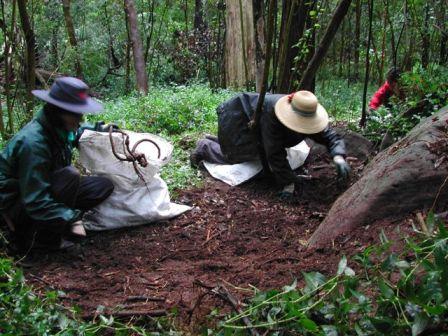
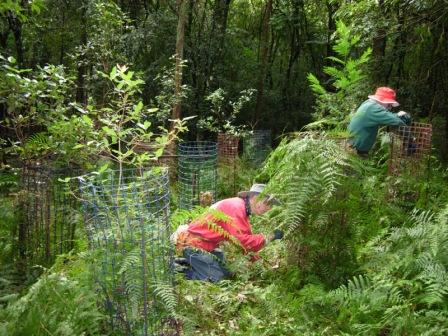
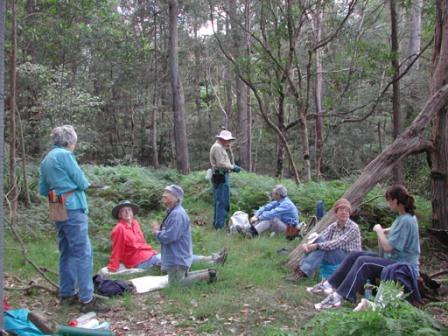
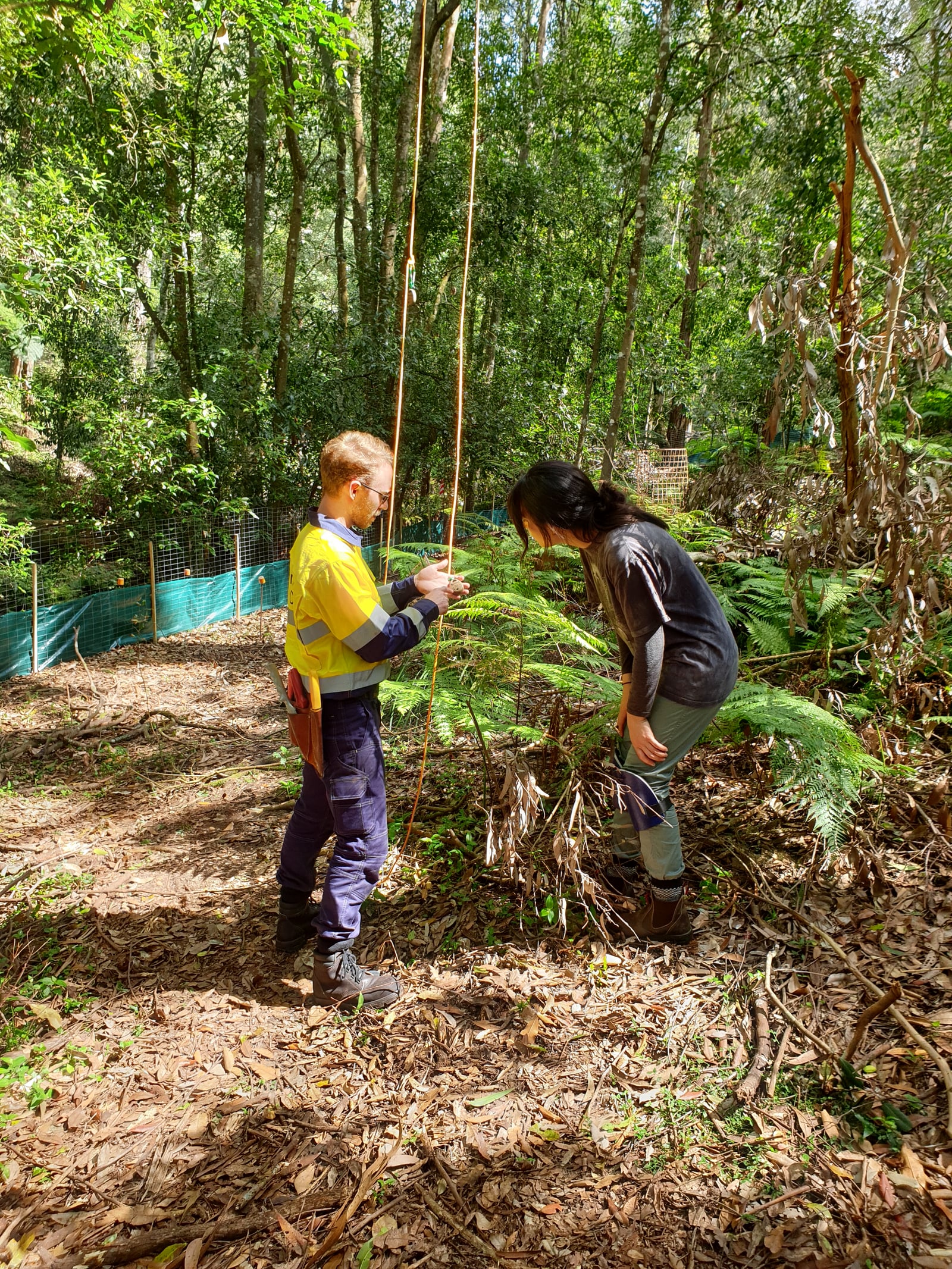
Volunteer bush regenerators commenced the habitat restoration project in 1987, with the agreement of the landowner, Ku-ring-gai Council. By 2026, 184 volunteers had contributed — a day, or weekly for a year or two, or for decades. In addition there have been many bush regenerators who have worked for contractors or the Council's bush regeneration team.
This project is one of the longest-running in Sydney, and has been supported by many partners including member donations and grants from the Australian Government, the New South Wales Government and Ku-ring-gai Council.
All these people have learned about flying-foxes and helped educate the community about these native mammals. A few have gained employment through their volunteering.
Recognition
The habitat restoration project has been acknowledged as an excellent example of a co-operative partnership between local government, Ku-ring-gai Bat Conservation Society and the wider community. In 2008 it was highly commended in the "Top 25" Australasian Ecological Restoration Projects by the Global Restoration Network, a project of the Society for Ecological Restoration.
For more detail, view or download the article originally published in Ecological Management and Restoration vol. 1 no. 1, April 2000: KFFR habitat restoration project (PDF).
The work in pictures