Flying-Foxes of the Sydney Region

Australia's remarkable megabats — pollinators, seed dispersers, and nature's gardeners.

Bat species in the Sydney region

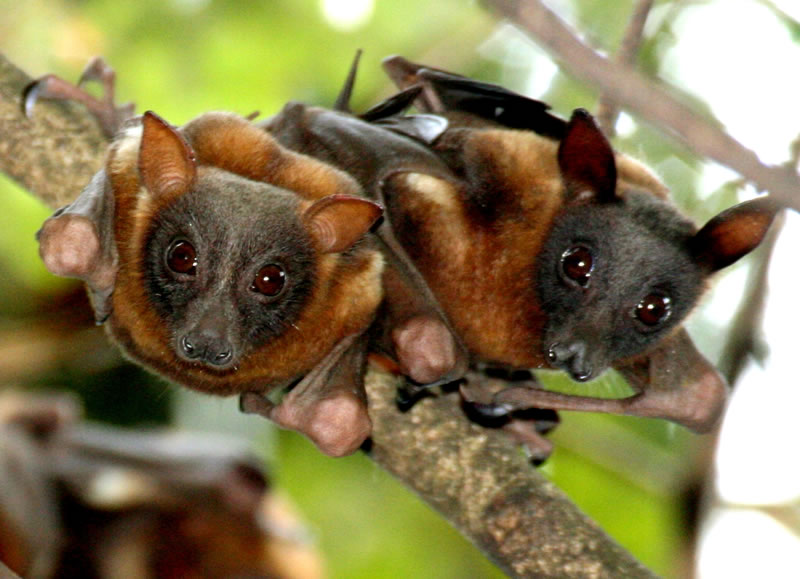
Three species of flying-fox are found in Sydney:

🦇

Grey-headed flying-fox

Pteropus poliocephalus

The main species found at the Ku-ring-gai Flying-fox Reserve in Gordon. Listed as Vulnerable under the EPBC Act.

Read more →
🦇

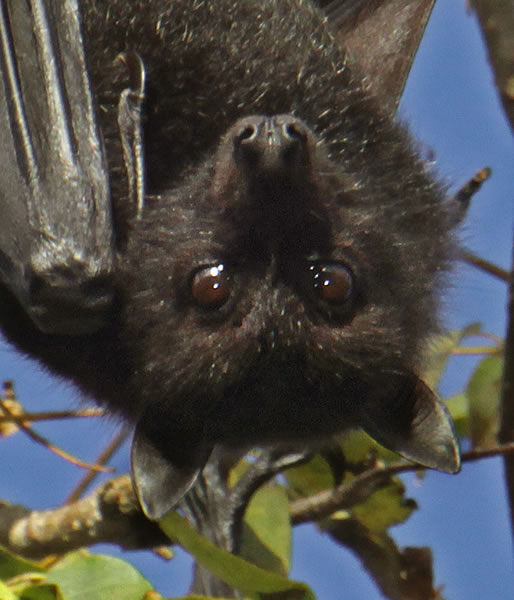
Black flying-fox

Pteropus alecto

A large, all-black flying-fox occasionally seen in the Sydney region, more common in northern Australia.

Read more →
🦇

Little red flying-fox

Pteropus scapulatus

The smallest Australian flying-fox, nomadic and known to visit Sydney in large numbers at certain times of year.

Read more →

Nineteen species of microbats have also been recorded in the Sydney region. Read more →

Photos by Vivien Jones. [Images to be added — see assets list]

Flying-fox facts

📏

Largest Australian bats

Flying-foxes are the largest of Australia's bats, with wingspans up to one metre.

🌸

Vital pollinators

Flying-foxes are important pollinators and seed dispersers for Australian forests.

🌳

Numbers matter

Large numbers are essential for forest pollination and seed dispersal to be effective.

👶

One pup a year

Females have just one pup each year, making populations slow to recover from loss.

🍎

Also called fruit bats

Flying-foxes are also known as fruit bats due to their frugivorous diet.

Blind as a bat?

Not at all! Read more about bats and their eyesight:

Flying-foxes are very visible visual bats by M Graydon
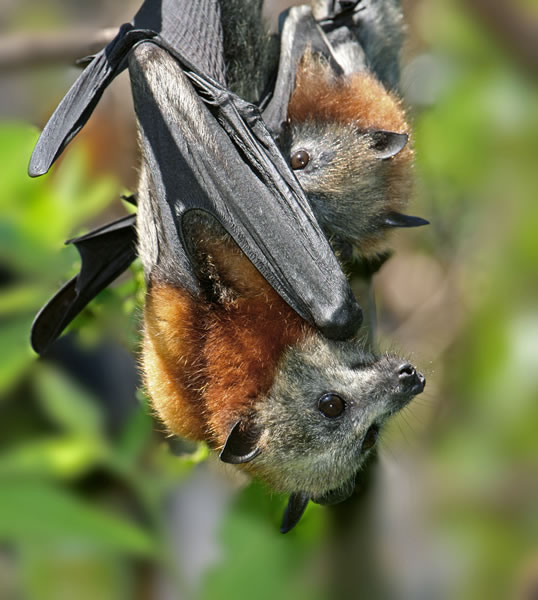
Despite the popular myth, flying-foxes have excellent eyesight and do not use echolocation. They navigate and find food using their sharp vision and sense of smell.

Did you know? Flying-foxes lick their arms to cool down in summer — evaporative cooling in action. They are also remarkably social animals that form large, noisy colonies.

Why DO we love bats?

Have you ever seen flying-foxes lick their arms to cool down in summer? Did you know flying-foxes constantly reforest habitat? Read our latest blog to learn some fun facts about bats and why we love them!

Visit the Blog →