Celebrating Sydney's bats

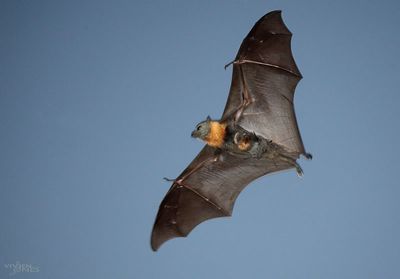
We're a volunteer community group working to preserve, restore and celebrate the remarkable bats that keep our forests alive — from the Gordon camp to suburbs right across Greater Sydney.

Photo: Andrew Mercer

Small animals doing enormous work

Bats are keystone species. Without them, Australia's forests — and the wildlife that depend on them — would be in serious trouble.

Vital pollinators

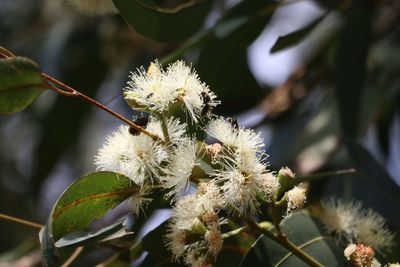
Nectar-feeding flying-foxes pollinate eucalypts and rainforest trees as they feed each night.

Forest reseeders

They carry and drop seeds far from parent trees, regenerating forests across huge distances.

Insect controllers

Insect-eating microbats keep pest populations in check right across Greater Sydney.

Ku-ring-gai Bat Conservation Society

A volunteer community group celebrating the remarkable bats that keep our forests alive. We run education events with live flying-foxes, restore habitat in the Ku-ring-gai Flying-fox Reserve, and fund research into Australia's bats — all volunteer-led work that relies on government grants and the generosity of the public.

Read more about KBCS
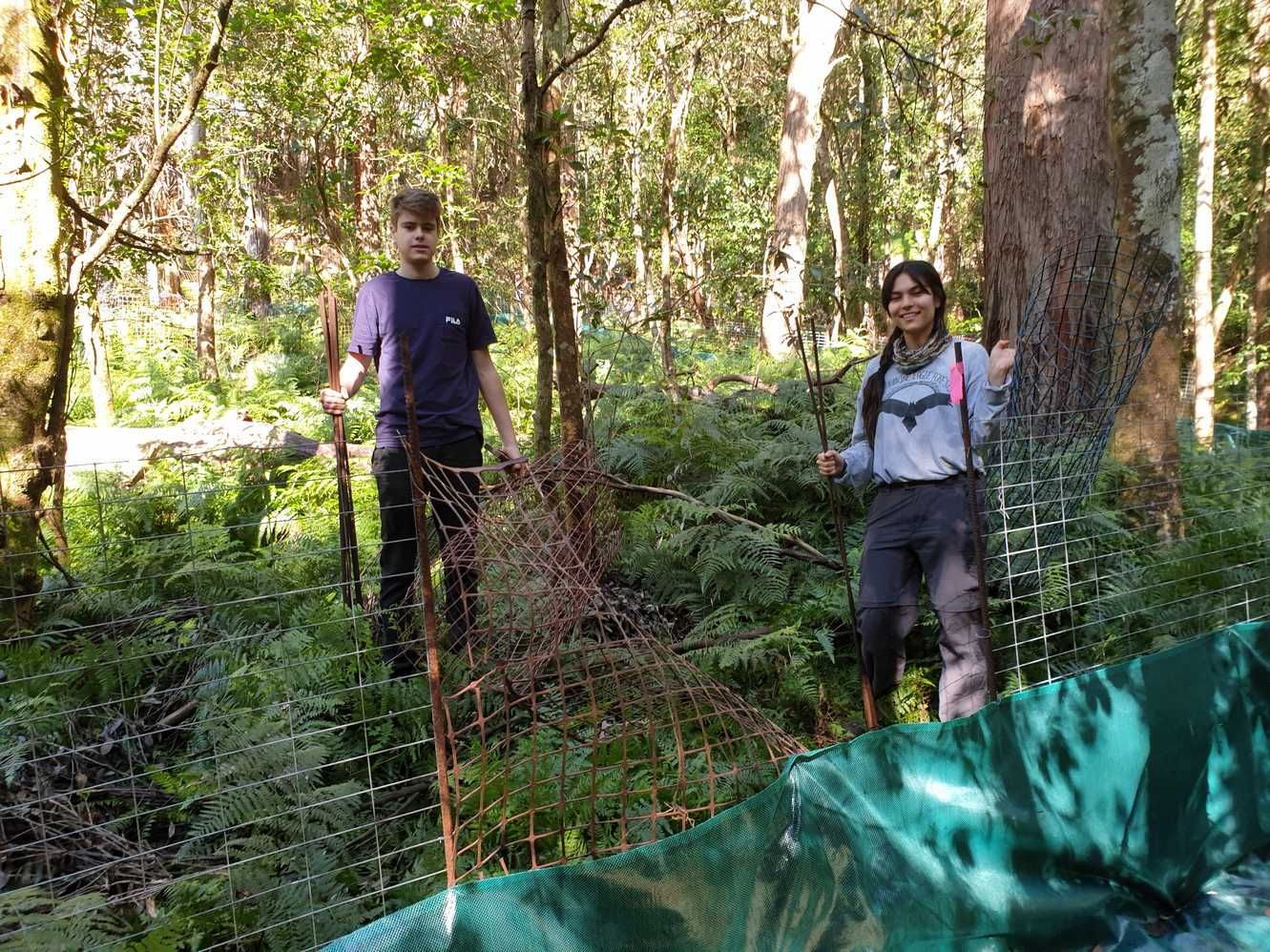
Two KBCS volunteers installing wallaby-exclusion fencing in the reserve

Bushcare in the Flying-fox Reserve

Join us near Gordon station on most Tuesday mornings.

Get involved

Two very different groups

All bats belong to the order Chiroptera, from the ancient Greek for "hand wing". Across Australia there are five flying-fox species and close to 90 species of echolocating bats, also called microbats.

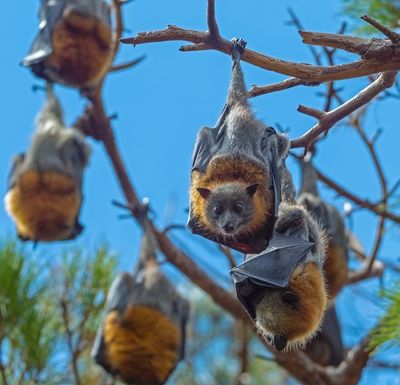
Two grey-headed flying-foxes roosting side by side on a branch

Flying-foxes

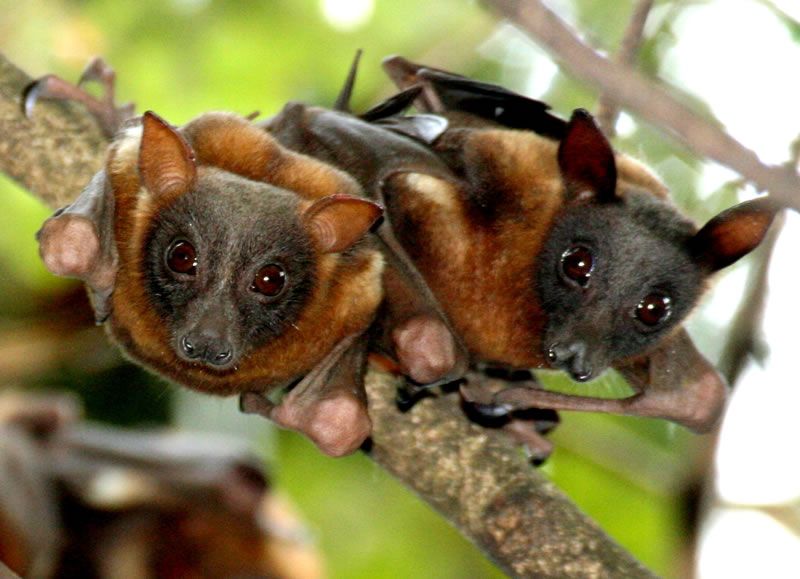
Sydney's largest bats and vital pollinators. The grey-headed flying-fox is our most common and is listed as Vulnerable, the black flying-fox occurs in small numbers, and the little red flying-fox visits some camps. Each night they carry pollen and seed further than any other pollinator in Australia.

Explore flying-foxes →
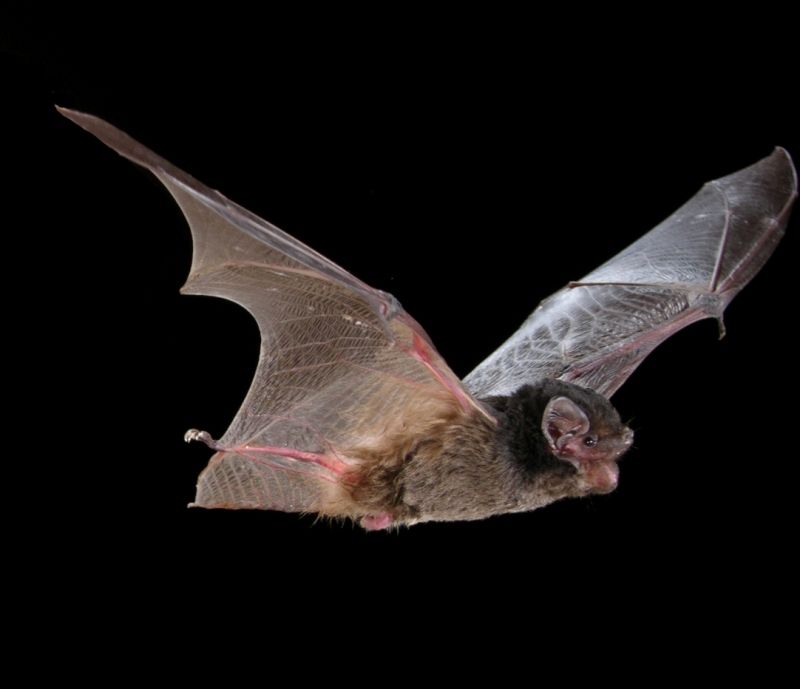
A Gould's wattled bat in flight with its wings spread wide

Echolocating bats (microbats)

Tiny insect-eaters that hunt in the dark using echolocation. Nineteen species live around Sydney, eight of them threatened. Weighing as little as a few grams, they roost in tree hollows, caves and roof spaces, and a single bat can eat hundreds of insects in a night.

Explore microbats →

Latest news

Newsletters, news and events — the three most recent. See all news →

News14 Apr 2026

Flying Foxes: Australia’s Unsung Economic and Environmental Heroes

Image by René Riegal Long misunderstood as noisy nuisances, grey-headed flying foxes are emerging as ecological heavyweights with major economic upside. New

Read more →
News3 Feb 2026

Nature’s Gardeners: Why Seed Dispersal Matters (and How Flying Foxes Save the Day)

Image by Catherine Ryan. If trees could talk, they'd probably say, 'Help! I need to move out!' That's because plants, unlike animals, can't pack their bags and

Read more →
News3 Feb 2026

We Need Your Help! Urgent Request to End the Shooting of Flying-Foxes in Queensland

Flying-foxes are being shot in Queensland despite humane, proven alternatives. These native animals suffer slow deaths, orphaned pups, and ongoing population

Read more →

Help us protect Sydney's bats

Every membership and donation funds habitat restoration, education and advocacy. Donations over $2 are tax-deductible through our registered gift fund.