Bat species in the Sydney region
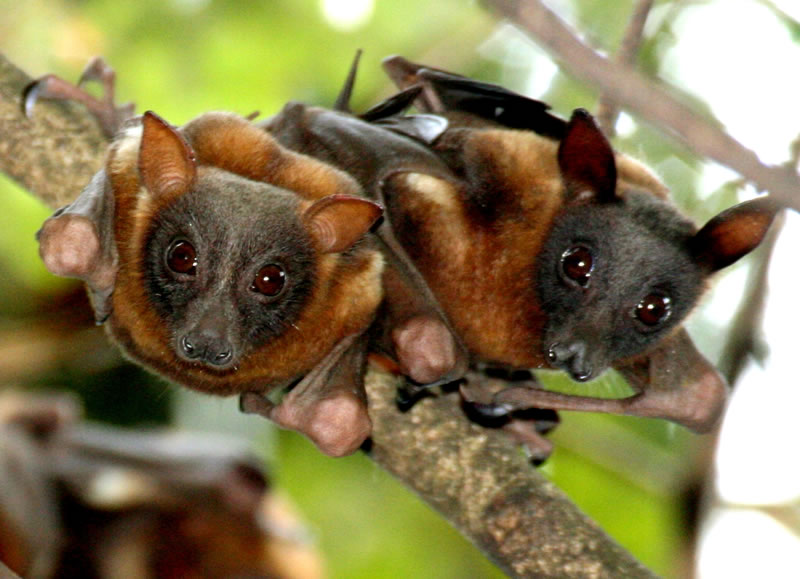
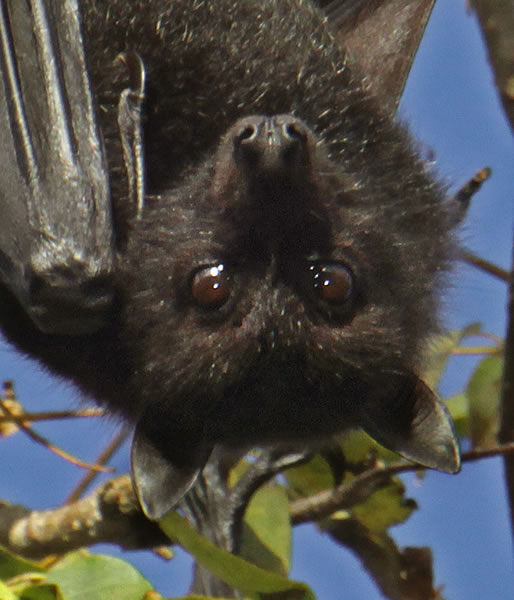
Three species of flying-fox are found in Sydney:
Grey-headed flying-fox
Pteropus poliocephalus
The main species found at the Ku-ring-gai Flying-fox Reserve in Gordon. Listed as Vulnerable under the EPBC Act.
Read more →Black flying-fox
Pteropus alecto
A large, all-black flying-fox occasionally seen in the Sydney region, more common in northern Australia.
Read more →Little red flying-fox
Pteropus scapulatus
The smallest Australian flying-fox, nomadic and known to visit Sydney in large numbers at certain times of year.
Read more →Nineteen species of microbats have also been recorded in the Sydney region. Read more →
Photos by Vivien Jones. [Images to be added — see assets list]
Flying-fox facts
Largest Australian bats
Flying-foxes are the largest of Australia's bats, with wingspans up to one metre.
Vital pollinators
Flying-foxes are important pollinators and seed dispersers for Australian forests.
Numbers matter
Large numbers are essential for forest pollination and seed dispersal to be effective.
One pup a year
Females have just one pup each year, making populations slow to recover from loss.
Also called fruit bats
Flying-foxes are also known as fruit bats due to their frugivorous diet.
Blind as a bat?
Not at all! Read more about bats and their eyesight:
Flying-foxes are very visible visual bats by M Graydon
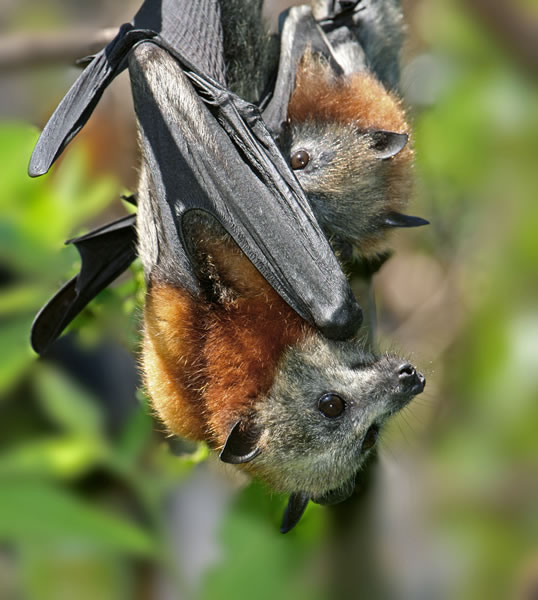
Despite the popular myth, flying-foxes have excellent eyesight and do not use echolocation. They navigate and find food using their sharp vision and sense of smell.
Why DO we love bats?
Have you ever seen flying-foxes lick their arms to cool down in summer? Did you know flying-foxes constantly reforest habitat? Read our latest blog to learn some fun facts about bats and why we love them!
Visit the Blog →